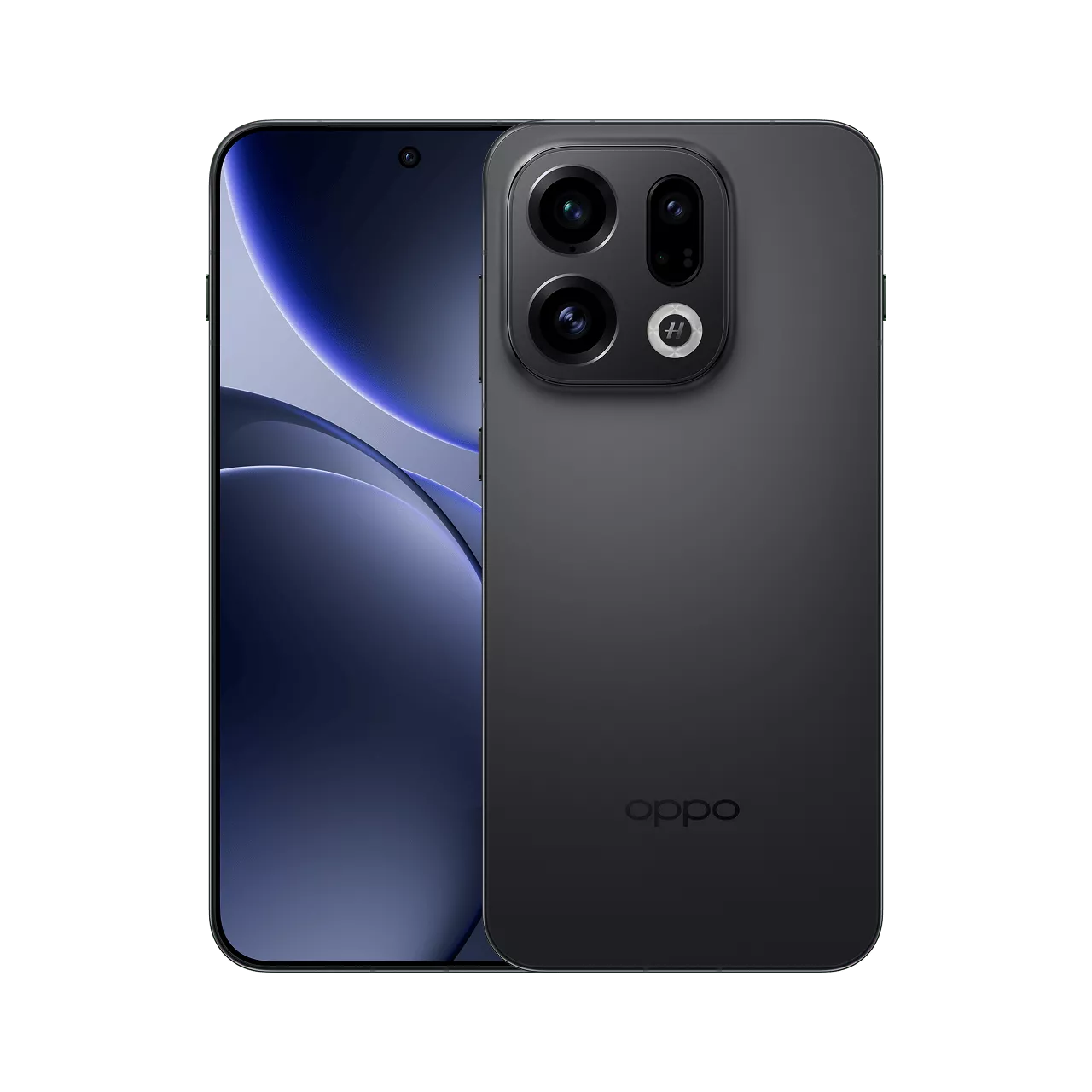
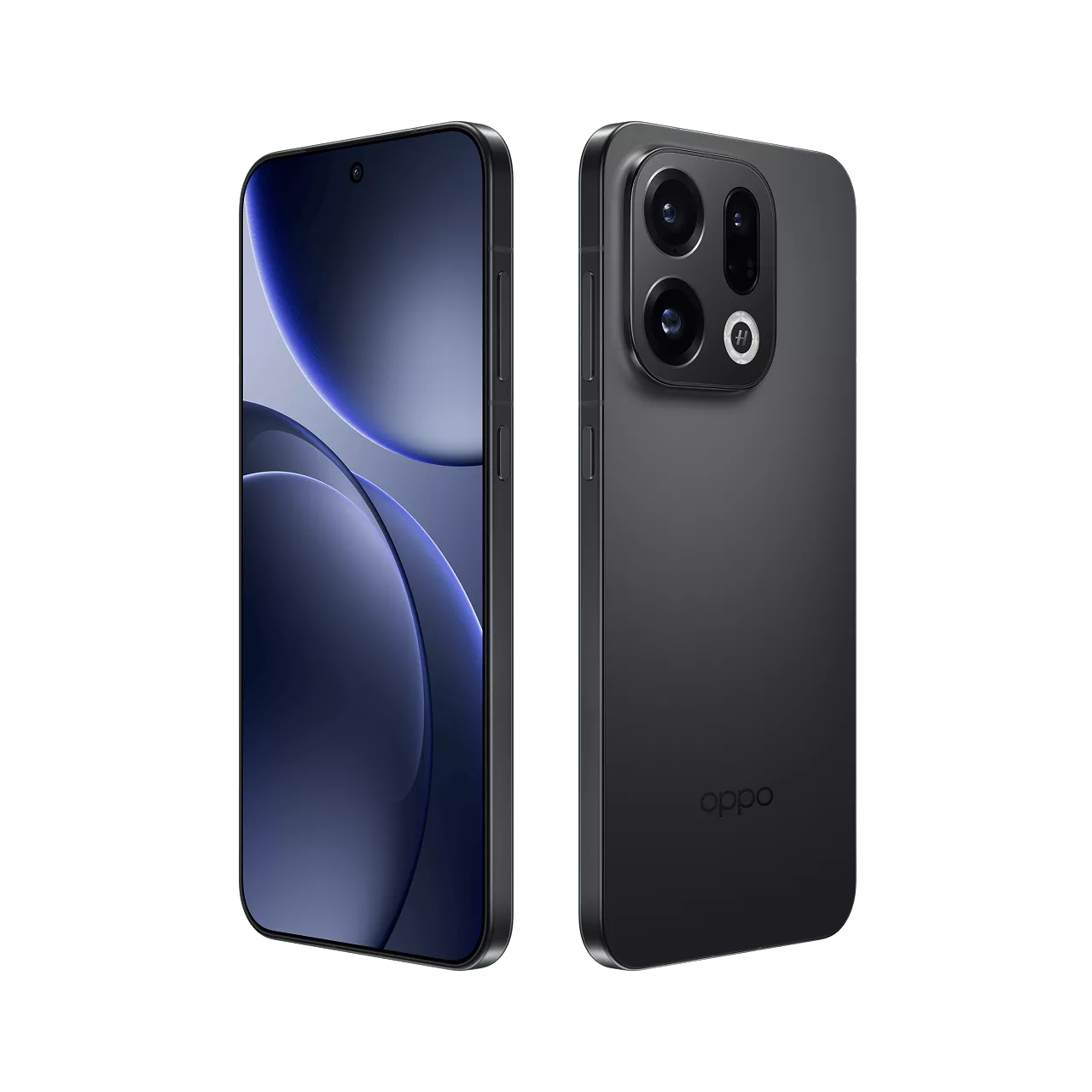
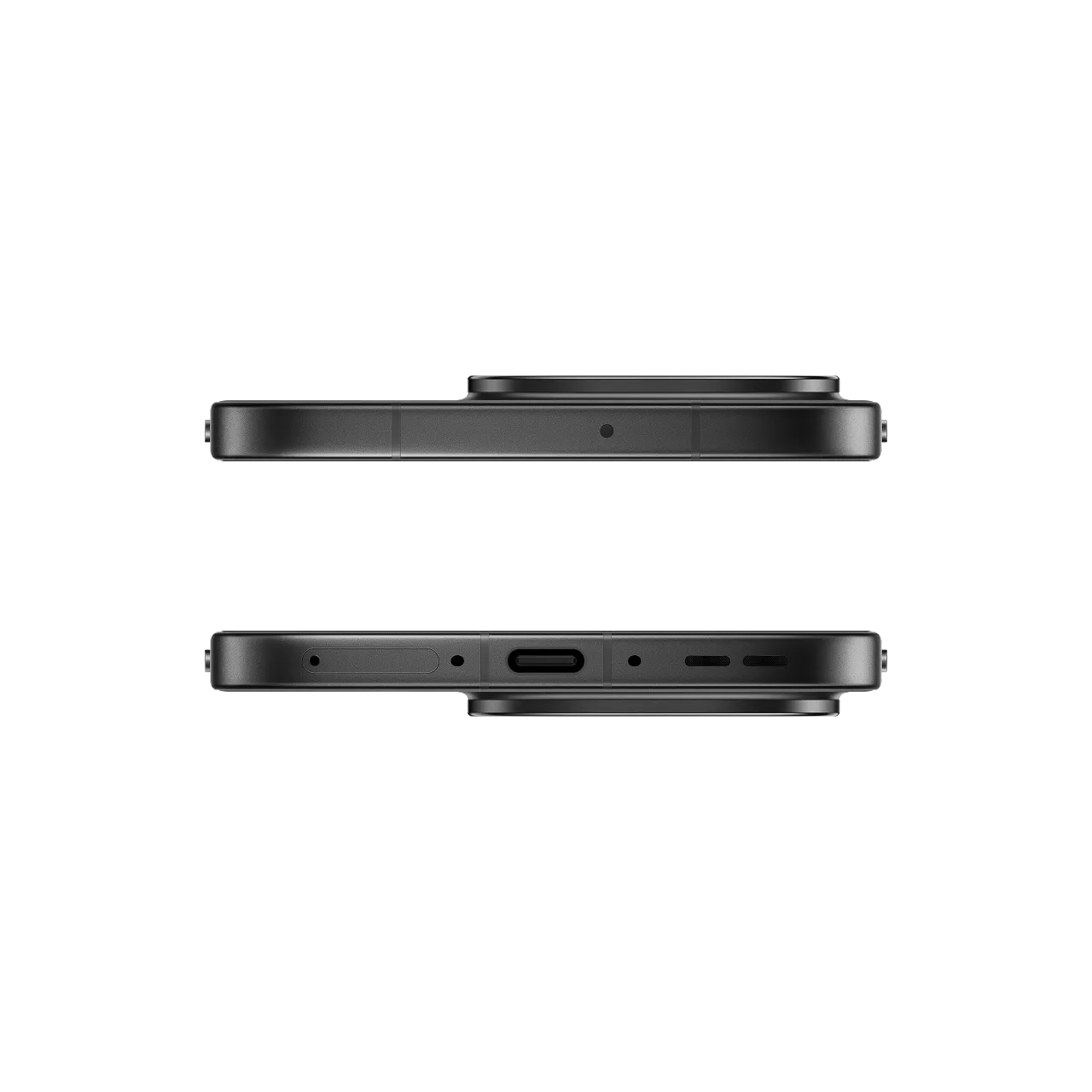
Oppo Find X9 5G (Space Black, 12GB RAM, 256 GB Storage) with No Cost EMI/Additional Exchange Offers
Availability: In stock
Deliver In: Same Day
India
2G capabilities |
GSM 900, GSM 1800 |
3G capabilities |
UMTS 900, UMTS 2100 |
4G capabilities |
LTE 700 (28), LTE 850 (5), LTE 900 (8), LTE 1800 (3), LTE 2100 (1), LTE 2300 (40), LTE 2500 (41) |
5G capabilities |
5G SA/NSA 3300 (N78), 5G 700 (N28), 1800 (N3), 2100 (N1) |
2G, first introduced in 1992, is the second-generation of cellular telephone technology and the first to use digital encryption of conversations. 2G networks were the first to offer data services and SMS text messaging, but their data transfer rates are lower than those of their successors.
3G networks succeed 2G ones, offering faster data transfer rates and are the first to enable video calls. This makes them especially suitable for use in modern smartphones, which require constant high-speed internet connection for many of their applications.
4G is the fourth generation of mobile phone communications standards. It is a successor of the 3G and provides ultra-broadband internet access for mobile devices. The high data transfer rates make 4G networks suitable for use in USB wireless modems for laptops and even home internet access.
5G is the fifth generation of mobile phone communications standards. It is a successor to 4G and promises to be faster than previous generations while opening up new uses cases for mobile data. The 5G benefits range from faster speeds (up to 10x faster), much lower latency (up to 50x lower) and greater capacity allowing many more devices to be connected at the same time.
Offers
Availabe Shipping
₹74,999
₹76,000
2.63% off
- Description
- Additional Details
| Body | 157 x 73.9 x 8 mm (6.18 x 2.91 x 0.31 in) | |
|---|---|---|
| 203 g (7.16 oz) | ||
| Glass front (Gorilla Glass 7i), glass back, aluminum frame | ||
| · Nano-SIM +
· Nano-SIM + Nano-SIM |
||
| IP68/IP69 dust tight and water resistant (high pressure water jets; immersible up to 1.5m for 30 min) |
| Display | AMOLED, 1B colors, 120Hz, 3840Hz PWM, Dolby Vision, HDR10+, HDR Vivid, 800 nits (typ), 1800 nits (HBM), 3600 nits (peak) | |
|---|---|---|
| 6.59 inches, 105.6 cm2 (~91.0% screen-to-body ratio) | ||
| 1256 x 2760 pixels (~460 ppi density) | ||
| Corning Gorilla Glass 7i, Mohs level 5 | ||
| Ultra HDR image support |
| Platform | Android 16, up to 5 major Android upgrades, ColorOS 16 | |
|---|---|---|
| Mediatek Dimensity 9500 (3 nm) | ||
| Octa-core (1x4.21 GHz C1-Ultra & 3x3.5 GHz C1-Premium & 4x2.7 GHz C1-Pro) | ||
| Arm G1-Ultra |
| Memory | No | |
|---|---|---|
| 256GB 12GB RAM, 256GB 16GB RAM, 512GB 12GB RAM, 512GB 16GB RAM, 1TB 16GB RAM | ||
| UFS 4.1 |
| Main Camera | 50 MP, f/1.6, 23mm (wide), 1/1.4", 1.12µm, multi-directional PDAF, OIS
50 MP, f/2.6, 73mm (periscope telephoto), 1/1.95", 0.61µm, 3x optical zoom, multi-directional PDAF, OIS 50 MP, f/2.0, 15mm, 120˚ (ultrawide), 1/2.76", 0.64µm, multi-directional PDAF |
|
|---|---|---|
| Laser AF, color spectrum sensor, Hasselblad Color Calibration, LED flash, HDR, panorama | ||
| 4K@30/60/120fps, 1080p@30/60/240fps; gyro-EIS; HDR, 10‑bit video, Dolby Vision, LOG |
| Selfie camera | 32 MP, f/2.4, 21mm (wide), 1/2.74", 0.8µm | |
|---|---|---|
| Panorama | ||
| 4K@30/60fps, 1080p@30/60fps, gyro-EIS |
| Sound | Yes, with stereo speakers | |
|---|---|---|
| No |
| Comms | Wi-Fi 802.11 a/b/g/n/ac/6/7, dual-band, Wi-Fi Direct | |
|---|---|---|
| 6.0, A2DP, LE, aptX HD, LHDC 5 | ||
| GPS (L1+L5), BDS (B1I+B1c+B2a+B2b), GALILEO (E1+E5a+E5b), QZSS (L1+L5), GLONASS, NavIC (L5) | ||
| Yes | ||
| Yes | ||
| No | ||
| USB Type-C, OTG |
| Features | Fingerprint (under display, ultrasonic), accelerometer, gyro, proximity, compass |
|---|
| Battery | Si/C Li-Ion 7025 mAh | |
|---|---|---|
| 80W wired, 80W UFCS, 55W PPS, 11.7W PD
50W wireless 10W reverse wireless |
| Space Black, Titanium Grey, Velvet Red, White | ||